
Fire alarm system
Requirements for detectors, control panels, modules, signal lines, backup power supplies, alarms, and system testing.
TCVN 5738TCVN 7568
GEEC assists investors, building management boards, M&E general contractors, and factories in correctly understanding fire safety standards and regulations during the consulting, design, construction, maintenance, and upgrading of fire protection systems.
This page is designed as a guided landing page, helping customers identify key standards groups, prepare technical documentation, and coordinate implementation according to current requirements.
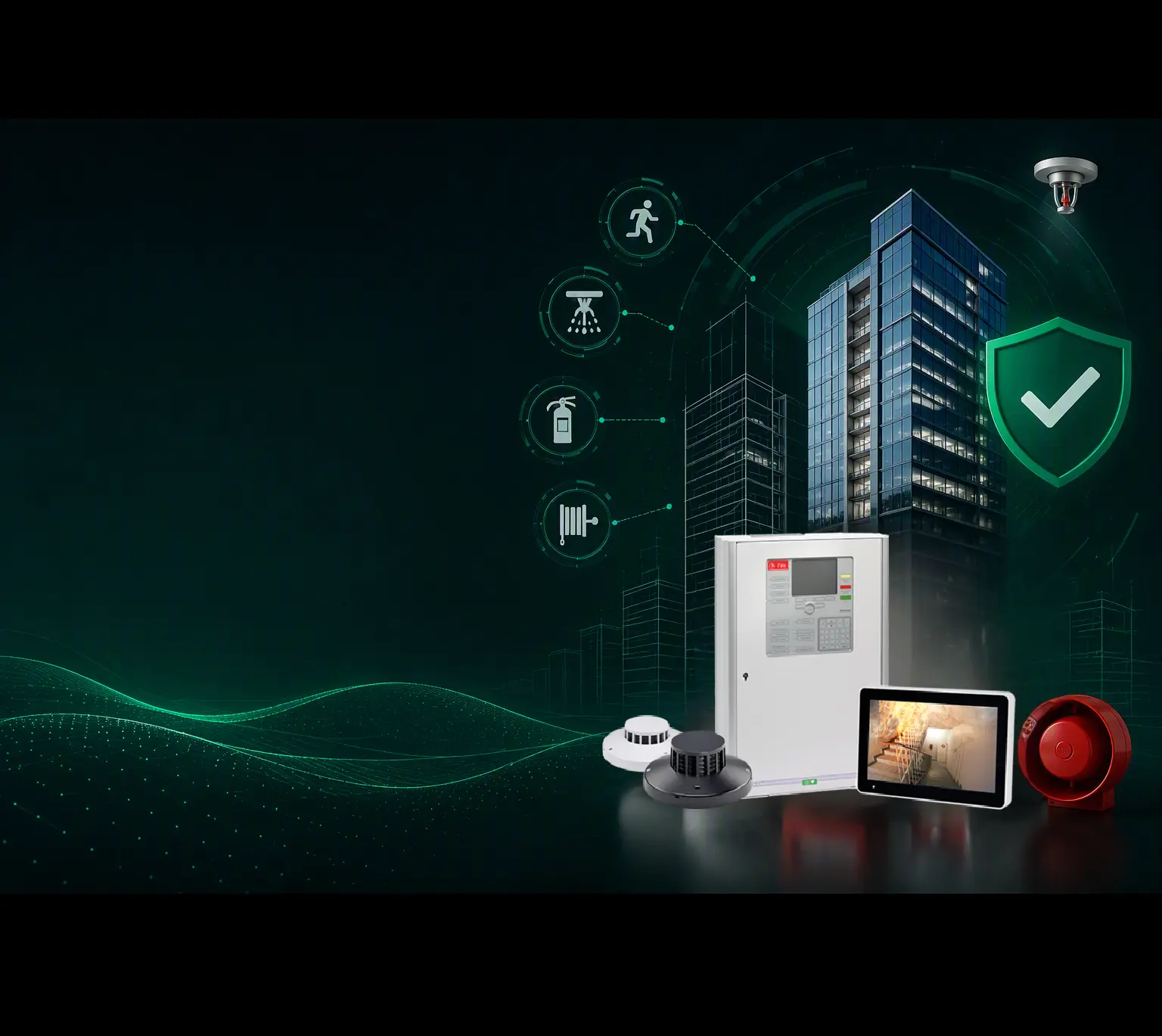
Standardize technical requirements for fire alarm, fire fighting, evacuation, interlocking, and internal acceptance testing.
Each fire protection system has its own set of standards and technical documents. GEEC helps customers determine the correct scope of application before design, construction, internal acceptance testing, or maintenance.
Requirements for detectors, control panels, modules, signal lines, backup power supplies, alarms, and system testing.
Requirements for water supply, sprinklers, pumps, valves, piping, hydrants, and automatic fire extinguishing solutions.
Install exit signs, emergency lights, evacuation signs, safe exits, and emergency response support.
Equip and position fire extinguishers, rescue vehicles, and initial fire prevention and fighting equipment for houses and buildings.
Fire alarm system integrated with pressurized fans, smoke extraction, elevators, magnetic doors, audio systems, BMS, and dashboard.
Warehouses, data centers, electrical rooms, server rooms, production areas, and areas with special fire risks.
A complete fire safety documentation package should clearly show the underlying standards, technical plan, equipment list, implementation drawings, and post-installation inspection documents. GEEC optimizes the documentation for each project phase.
List Vietnamese National Standards (TCVN), National Technical Regulations (QCVN), technical documents, and specific requirements according to the type of construction project.
Equipment layout plan, schematic diagram, interlocking logic, and design explanation.
BOQ, datasheet, certificates, CO/CQ, and technical documentation for implementation and testing.
Requirements for water supply, sprinklers, pumps, valves, piping, hydrants, and automatic fire extinguishing solutions.
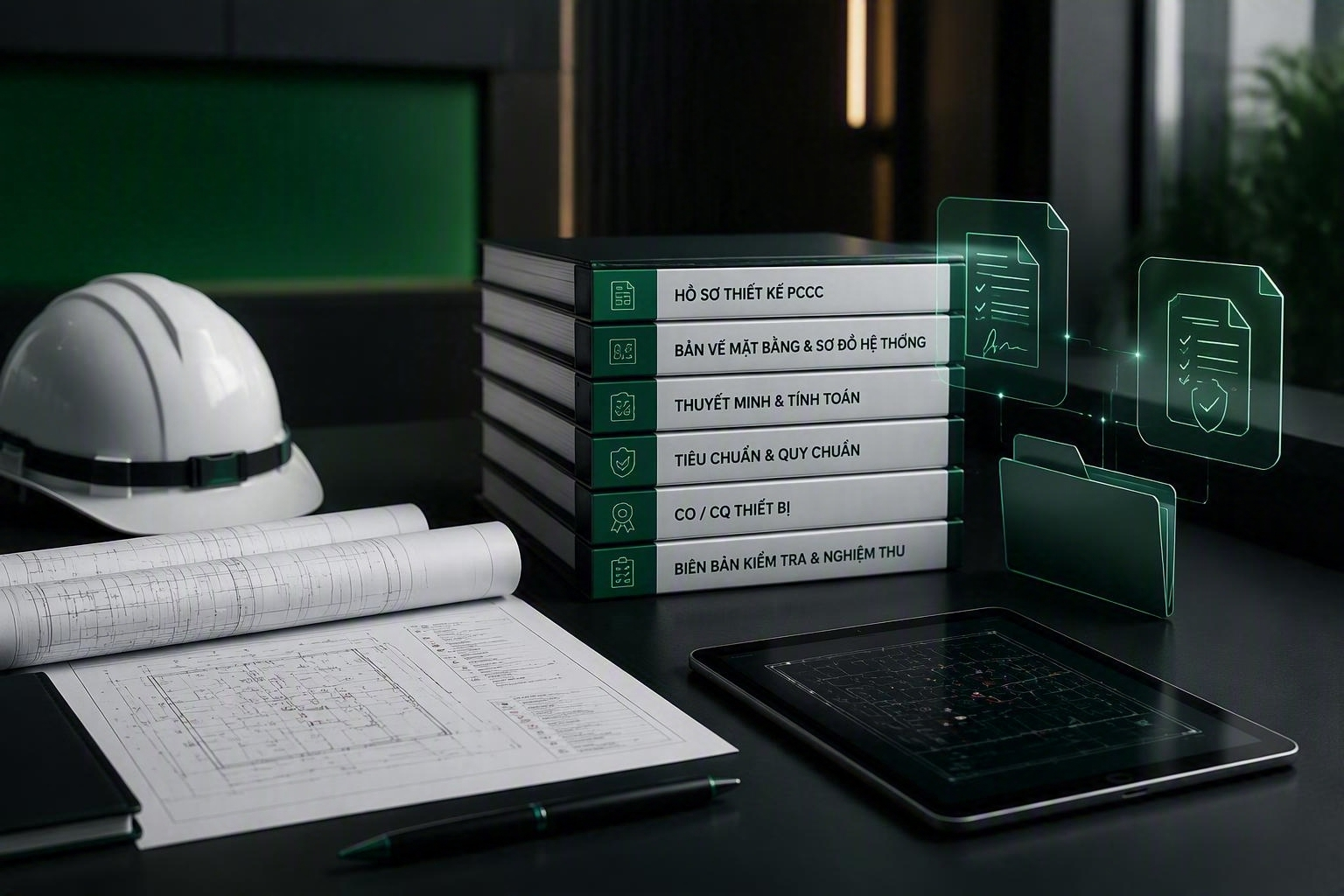
GEEC establishes clear processes to allow customers to control the scope of standards, technical risks, and documentation requirements at each stage of the project.
Determine the type, function, scale, fire protection system, and operational requirements.
Classification of TCVN and QCVN standards and related technical requirements for each item.
Design, BOQ, datasheet, checklist, and inspection documentation are standardized.
Provide technical explanations, update changes, and support operational testing after handover.
Standards are not only used in the design phase. GEEC applies standards throughout the entire process, from surveying, design, construction, maintenance to system upgrades.
Define the technical requirements, standard basis, and design scope for each system.
Control materials, installation, system testing, and completion documentation according to technical requirements.
Develop a regular checklist, inspection log, and plan for handling errors that arise.
Evaluate the existing system, determine applicable standards, and propose a transition roadmap.
GEEC does not replace regulatory agencies or assessment bodies. GEEC provides technical support to help customers prepare the right documentation, choose the right solutions, and operate their systems more safely.
Standard classification is based on system, function, type of construction, and project phase.
Translate standard requirements into drawings, BOQs, checklists, and operating instructions.
Review changes to standards, regulations, and technical documents related to the project.
Support ranges from design, construction, and maintenance to upgrades and operational data acquisition.
GEEC's engineering team will assist in reviewing the current situation, identifying applicable standards, and proposing technical documentation suitable for the project.